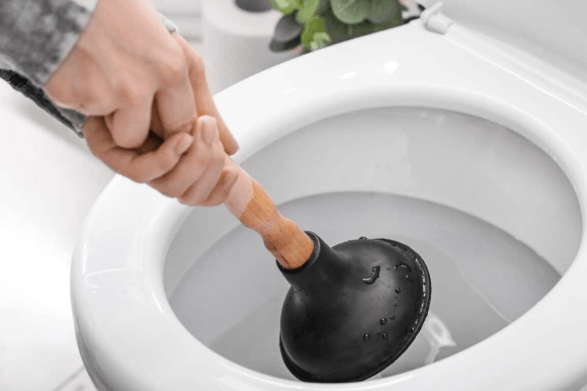
A clogged toilet can disrupt a home quickly. Start with a calm assessment, looking for obvious blockages and noting water height in the bowl. Then consider practical steps: a plunger placed straight and pressed with steady, layered force, or a toilet auger if needed. If the blockage persists, evaluate whether to try safer DIY methods again or seek professional help. The decision hinges on fixture age, repeat clogs, and the risk of overflow, which points toward the right next move.
What Causes a Toilet to Could Block Up?
Clogs occur when wastewater cannot pass freely through the toilet drain. The analysis focuses on toilet mechanics and clog causes, identifying common upstream and usage factors. Blockages arise from inappropriate objects, excessive toilet paper, and improper venting or sewer line issues. The target is consistent flow, requiring awareness of how material size, flushing habits, and system pressure influence block risk.
Quick DIY Fixes You Can Try Before Calling a Plumber
If a toilet is slow to drain or won’t flush, there are quick DIY steps to try before calling a plumber. Practitioners inspect a blocked drain visually, remove obvious debris, and flush with modest plunging pressure. Maintain consistent bathroom habits to prevent recurrence. Use caution with cleaners; avoid harsh chemicals that can damage seals or pipes.
See also: The Energy Debate Around Blockchain
When to Use Tools Like a Plunger or Auger Safely
Tools like a plunger or drain auger can be effective when used correctly, but improper technique can worsen a blockage or damage fixtures. Plunger safety relies on firm, vertical placement and steady, layered pressure, avoiding quick jerks. Auger usage requires gentle insertion, controlled turns, and stopping if resistance persists. Follow manufacturer instructions, clean after use, and store tools safely.
How to Decide If You Need Professional Help or a Backup Plan
When deciding whether to call a professional or pursue a backup plan, the key factors are blockage severity, fixture condition, and time constraints.
The discussion outlines decisions about remediation and criteria for professional help, clarifying thresholds for DIY steps versus expert intervention.
It emphasizes measurable indicators, documented steps, safety considerations, and a firm decision deadline to avoid escalation.
Conclusion
A firm resolve settled over the bathroom as the plunger waited, its rubber rim ready to seal. Step by careful step, the would-be fixers pressed and released, patience steeling their hands against the stubborn core beneath the bowl. The auger clicked in, guiding through unseen twists. Just when the flow seemed certain to stall, a final push hinted at success—and then, a quiet, hopeful surge. Something released, leaving the room tense with relief and a plan for what comes next.